
Open WebUI: Self-Hosted AI Platform
Run AI on your own terms. Connect any model, extend with code, protect what mattersâwithout compromise.
Categories:
Open WebUI is an extensible, feature-rich, self-hosted AI platform that allows users to run and interact with large language models (LLMs) entirely offline or via APIs, prioritizing privacy and control.
🚀 Overview
Open WebUI provides a user-friendly web interface for self-hosted AI, enabling seamless integration with local runners like Ollama and cloud APIs like OpenAI, Anthropic, or any compatible service. It solves the problem of dependency on proprietary cloud AI services by offering full ownership, data privacy, and customization without compromises. Users can extend functionality with Python, leverage community-shared prompts, models, and tools, and scale from personal laptops to enterprise deployments.
It's built for developers, AI enthusiasts, and organizations—from startups to global enterprises—who want to run AI on their own infrastructure. The project empowers self-sufficiency in AI, supporting voice, vision, RAG, and more out of the box. Mission: "Open WebUI is being built so everyone can run AI for themselves. Not rent it. Not depend on it. Own it."
✨ Key Features
- Seamless integration with Ollama, OpenAI-compatible APIs (LM Studio, Groq, etc.), and bundled Ollama support for easy local setups.
- Advanced RAG with 9 vector databases (ChromaDB, PGVector, etc.), web search (15+ providers), and document loaders for knowledge retrieval.
- Multimodal capabilities: hands-free voice/video calls (Whisper, ElevenLabs, etc.), image generation/editing (DALL-E, ComfyUI, Stable Diffusion).
- Enterprise-ready: RBAC, SSO (OAuth, LDAP/AD, SCIM), audit logs, horizontal scalability with Redis/WebSockets.
- Extensibility: Python function calling, Pipelines plugin framework, model builder, PWA for mobile.
- Optional: Community marketplace for prompts/tools, multilingual support, OpenTelemetry observability.
🛠 Tech Stack
- Frontend: Svelte, JavaScript, TypeScript, CSS
- Backend: Python
- Database: SQLite (encrypted option), PostgreSQL, Redis (sessions/scalability)
- Auth: OAuth providers, LDAP/Active Directory, SCIM 2.0, trusted headers
- Hosting: Docker, Kubernetes (kubectl/Helm), self-hosted (local/cloud)
👥 Who Is This For?
This project is useful for:
- Developers who want to deploy and experiment with local LLMs privately
- Teams looking for collaborative AI tools with granular permissions and RAG
- Indie makers building custom AI agents, pipelines, and extensions
📸 Screenshots / Demo
- Live demo: https://openwebui.com (explore community models/prompts)
- GitHub: https://github.com/open-webui/open-webui
🔥 Project Status
- 🟢 Actively building
Last updated: 2026-03-24
❓ FAQ
Is this project free?
Yes — fully free and open source for self-hosting. Enterprise support and features available via contact.
Is the source code available?
Yes — https://github.com/open-webui/open-webui
Can I contribute?
Yes — open issues/PRs on GitHub, contribute translations, plugins via Pipelines framework, or share prompts/models/tools in the community marketplace.
📬 Contact & Links
- Website: https://openwebui.com
- GitHub: https://github.com/open-webui/open-webui
- Twitter/X: https://x.com/OpenWebUI
- Email: Contact via GitHub issues or enterprise form at https://docs.openwebui.com/enterprise
Built with ❤️ and kept warm on WarmIndex.
Similar apps

Browse Your Life in Pictures – PhotoPrism
photoprism.org
AI-Powered Photos App for the Decentralized Web
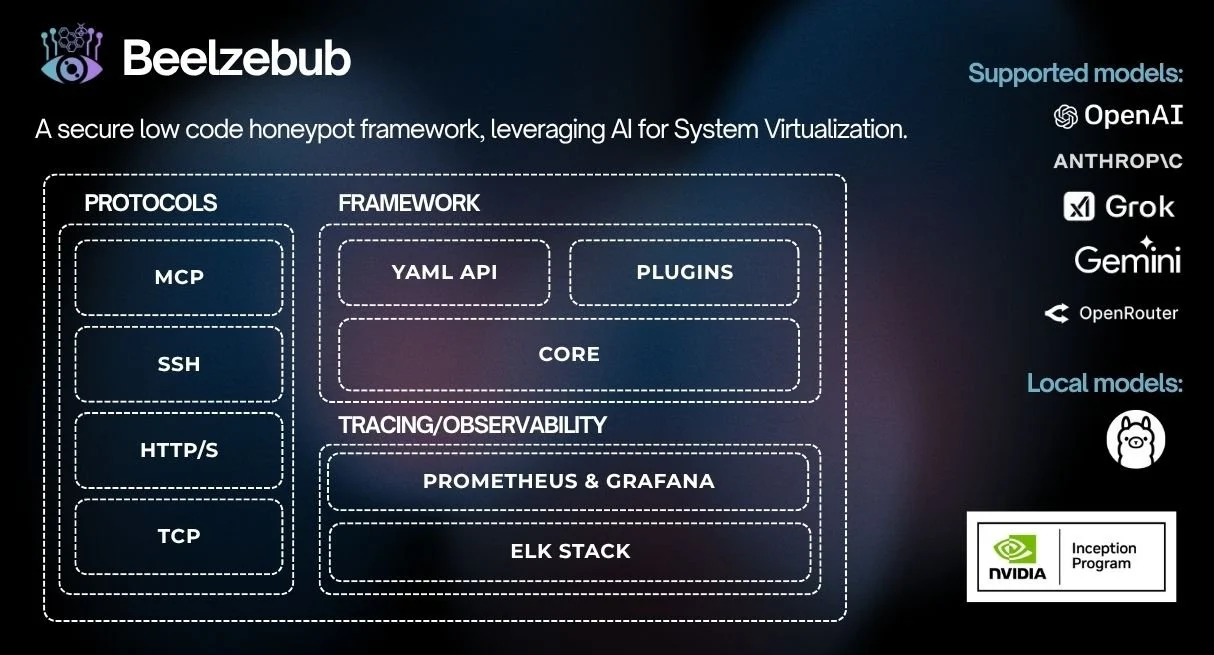
Beelzebub | AI-Native security platform
beelzebub-honeypot.com
Traditional security fails when attackers are already inside. Beelzebub delivers full-stack AI deception across your entire infrastructure Kubernetes clusters, APIs, AI agent tools, IoT devices. Catching lateral movement with zero false positives, slashing MTTR from hours to seconds, and cutting SOC costs by 60%.


DreamFactory | Auto-Generate Secure REST APIs from Any Database
dreamfactory.com
Instantly generate governed REST APIs from any database. Built-in RBAC, API keys, and live OpenAPI docs. On-premises, air-gapped, or cloud.


Email & SMS Marketing Platform | Mailchimp
mailchimp.com
Utilize real-time user behavior data and artificial intelligence to convert more customers. Easy to use, get started for free!